
Rusty 4x4
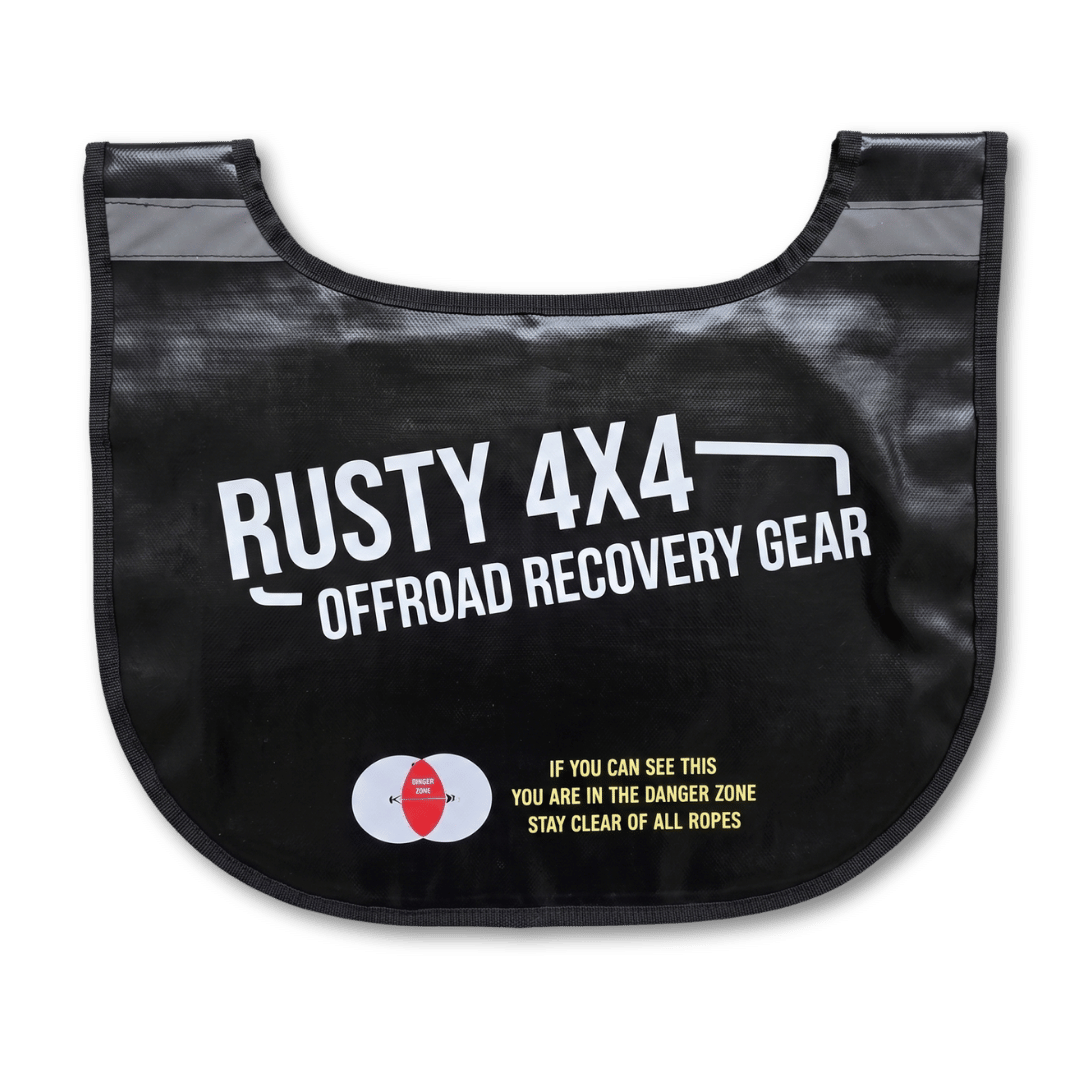
Heavy Duty Recovery Dampener / Winch Blanket (With inside pockets)
Heavy Duty Recovery Dampener / Winch Blanket (With inside pockets)
Low stock: 7 left
We accept


Couldn't load pickup availability
When using a winch with a synthetic rope or steel cable, there is enourmous amounts of tension stored in the rope by the winch. Steel cables have a lot more kinetic energy that modern synthetic winch lines, however both will snap back when something breaks. The one less violent than the other. The winch blanket, as many call it, is there to assist in slowing down the recoil of the rope/cable and to assist in keeping the rope lower towards the ground. It is a key piece of equipment in your recovery kit, especially when it comes to safety.
Features
- Heavy-duty PVC-coated construction — durable, weather-resistant, and easy to wipe clean after muddy recoveries
- Reflective safety strips — keeps the dampener (and the line under it) highly visible in low light and night recoveries
- Bold "Danger Zone" warning print — clearly signals to bystanders that they are standing too close to a loaded line
- Saddle-style design — sits securely over the winch line, held in place with strong velcro
-
Big pockets on the inside - for packing with sand for extra weight
- Reinforced bound edges — built to handle repeated field use
How to use it — best practice
- Rig your recovery as normal and inspect all lines, shackles, and recovery points before loading.
- Drape the dampener over the winch line 1-2 meters away from the anchor or attachment point. For longer pulls, use two dampeners — one closer to each end.
- Ensure the dampener hangs with weight on both sides of the line so it can drive the line downward if it fails.
- Clear the danger zone: all bystanders should stand well clear of the line — at least 1.5 times the length of the rope under tension, and never in line with the pull. (See diagram on the blanket for details)
- Winch slowly and steadily. If you need to re-rig, release tension first, then reposition the dampener.
Safety reminders
- Never step over or straddle a winch line under tension.
- Always use a dampener on every pull — even short, "easy" recoveries.
- Inspect your winch line, hook, and dampener for damage before and after every use.
Recover smart. Stay out of the danger zone.
What 4x4 instructors have to say
Dawie de Beer, Lead instructor, Afro Offroad:
When we talk about recovery, we have to be honest: every recovery system—from our vehicles to the recovery gear we use—has a weak point. In our Mastering Recovery course, we don’t just hope for the best; we manage it during the setup. By using a Rusty 4x4 Fuse Shackle, we engineer a deliberate weak point to protect the vehicle's integrity, giving us a specific location to focus our safety efforts. We then place the recovery damper 1 to 2 meters from that identified point, whether we are doing a winch, kinetic, or static pull. The damper is there to do one job: effectively slow down the massive release of energy if that equipment fails. It’s about being smart and taking control of the risks before you even start the pull. It’s not just about having the gear; it’s about using it properly to keep yourself and your crew safe. Now that's Adventure. Mastered!
Legal Disclaimer
It is paramount to underscore that the improper use of kinetic ropes can pose severe risks to both individuals and property. Due to the remarkable stretch capability, exceeding 20% of its length, the kinetic energy generated during recovery or towing can surpass the structural limits of anchoring points, connectors (such as shackles), or the kinetic rope itself. This elastic property can lead to a potentially dangerous slingshot effect, resulting in significant harm or damage.
Rusty 4x4 assumes no liability for any injury or property damage arising from the use of these kinetic ropes. It is imperative to exercise extreme caution, adhere to safety guidelines, and receive proper training when employing such equipment in recovery operations. Safety should always be the foremost consideration when dealing with kinetic ropes to mitigate potential risks effectively.